The future of eduction is here
In the world of 7 billion people we need to educate all of them This is the future of education is here and we proud to say that

The future of eduction is here
In the world of 7 billion people we need to educate all of them This is the future of education is here and we proud to say that
The end of your search is here
Education is the transmission of knowledge, skills, and character traits and manifests in various forms. Formal education occurs within a structured institutional framework, such as public schools, following a curriculum. Non-formal education also follows a structured approach but occurs outside the formal schooling system, while informal education entails unstructured learning through daily experiences
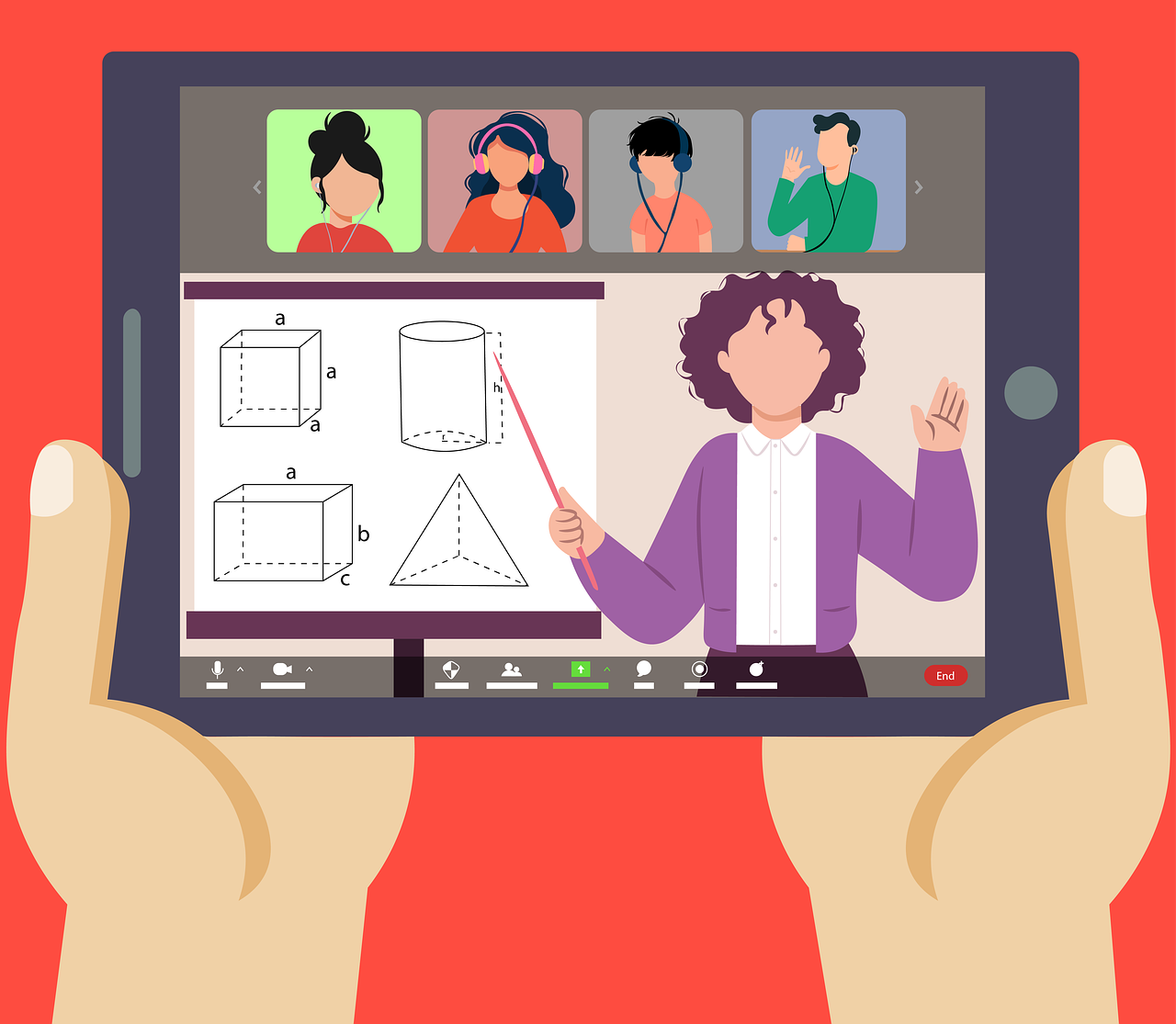
Transforming education in India
The most common division is between formal, non-formal, and informal education.[c] Formal education occurs within a structured institutional framework, typically with a chronological and hierarchical order. The modern schooling system organizes classes based on the student's age and progress, ranging from primary school to university. Formal education is usually overseen and regulated by the government and often mandated up to a certain age.

Lets's grow together
Types of education are often categorized into different levels or stages. One influential framework is the International Standard Classification of Education, maintained by the United Nations Educational, Scientific and Cultural Organization (UNESCO). This classification encompasses both formal and non-formal education and distinguishes levels based on factors such as the student's age, the duration of learning, and the complexity of the content covered. Additional criteria include entry requirements, teacher qualifications, and the intended outcome of successful completion. The levels are grouped into early childhood education (level 0), primary education (level 1), secondary education (levels 2–3), post-secondary non-tertiary education (level 4), and tertiary education (levels 5–8).